
Trash and littering – what a winning combination. It’s amazing how some people can turn a beautiful natural setting into a garbage dump with a few crumpled wrappers and discarded cans.
Makes for good pictures though. Especially in a decrepit environment.
So why do people litter? Perhaps they’re just too lazy to find a trash can, maybe they just don’t care about their immediate environment. Either way, it’s a pretty trashy behavior. It can be quiet esthetic though.

It’s not just individuals who are guilty of littering, of course. Companies are often worse, littering the landscape. It’s like they’re competing to see who can generate the most waste.
As with everything else in life, urban photography is a question of context and feelings. “One man’s trash is another man’s treasure” then.
It means that something that one person considers worthless or unwanted may be considered valuable or useful by someone else. This “phrase” is often used to express the idea that different people have different tastes and preferences, and what one person may discard or reject, another person may find valuable or desirable.
It can also refer to situations where different people have different perspectives on things, such as art, music, or literature, and one person’s interpretation or appreciation of something may differ from another person’s.

It can also be interpreted more broadly to mean that there is value to be found in unexpected places, that things that may appear unimportant at first may hold hidden value or meaning.
The aesthetic value of so called trash is therefore a subjective concept, and it depends on the context and interpretation of the individual. Some people may find beauty in objects or materials that others consider to be trash or waste, and they may incorporate these materials into their artwork or design as a way of creating something new and unexpected.
Until now, this conversation was rather benign. Now, let’s address the fucking elephant in the (abandonned) room
As an Urbexer, be aware that some industries leave toxic waste behind them. Some really nasty shit.
This is due to a combination of factors, including inadequate regulations, insufficient enforcement, cost considerations, and a lack of viable alternatives for waste disposal.
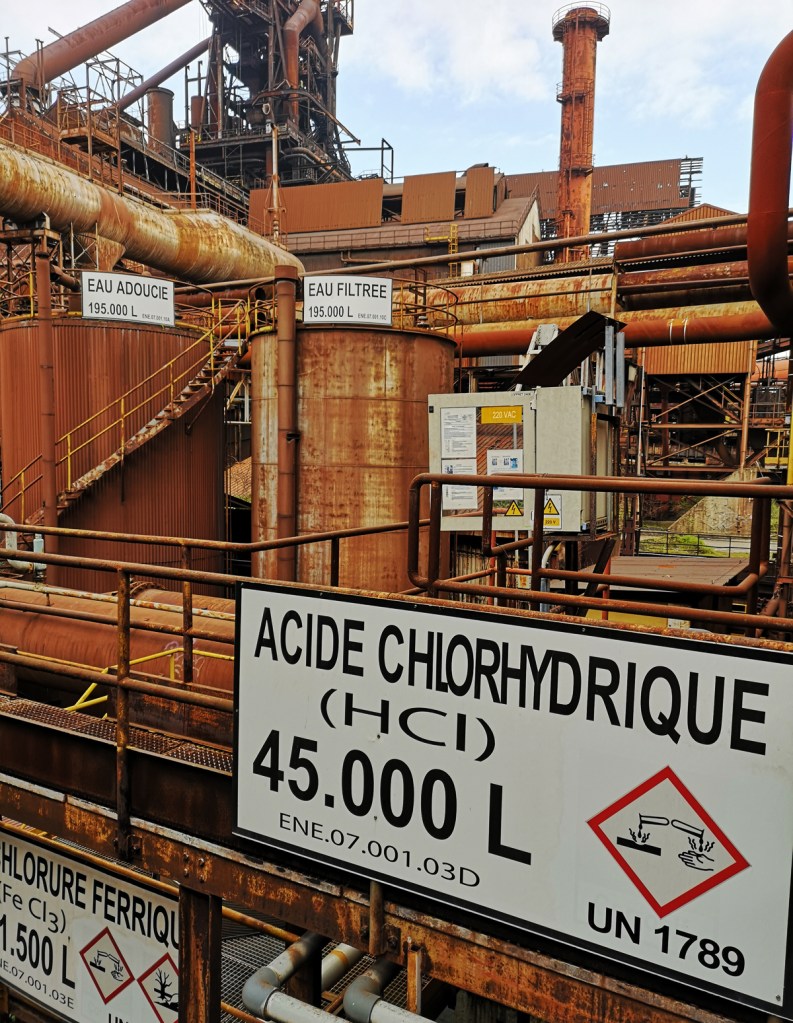
- Regulatory loopholes: Industries may take advantage of gaps or weaknesses in environmental regulations that do not explicitly prohibit or adequately monitor the disposal of toxic waste. This allows them to bypass proper waste management practices.
- Limited oversight and enforcement: In some cases, regulatory agencies may lack the resources or political will to effectively monitor and enforce compliance with waste disposal regulations. This creates an environment where industries feel less pressure to adhere to proper waste management practices.
- Financial considerations: Proper disposal of toxic waste is expensive. Trust me. I used to be a senior corporate environmental manager in a previous life. Some corporations prioritize short-term profits over long-term consequences, choosing to cut corners and improperly dispose of waste to reduce costs.
- Lack of viable alternatives: In certain situations, industries will rightfully argue that there are no practical or economically feasible alternatives for disposing of toxic waste. This can be especially true for complex waste streams or hazardous byproducts that are challenging to treat or neutralize.
- Historical practices and legacy sites: In some cases, industries may have been operating for decades or even centuries, and the waste generated from earlier periods may have been poorly managed or disposed of without modern knowledge and regulations. These historical practices can result in long-lasting contamination.
The depressing part of this article is now over. Let’s go back to the original subject: plain, old dirty litter.
The aesthetic value of trash can be seen as a way of challenging traditional notions of beauty and value, and questioning the consumerist culture that often leads to waste and overconsumption.
When photographying trash in an urbex environment, you can employ various techniques to capture more interesting and impactful images. Here are some tricks :
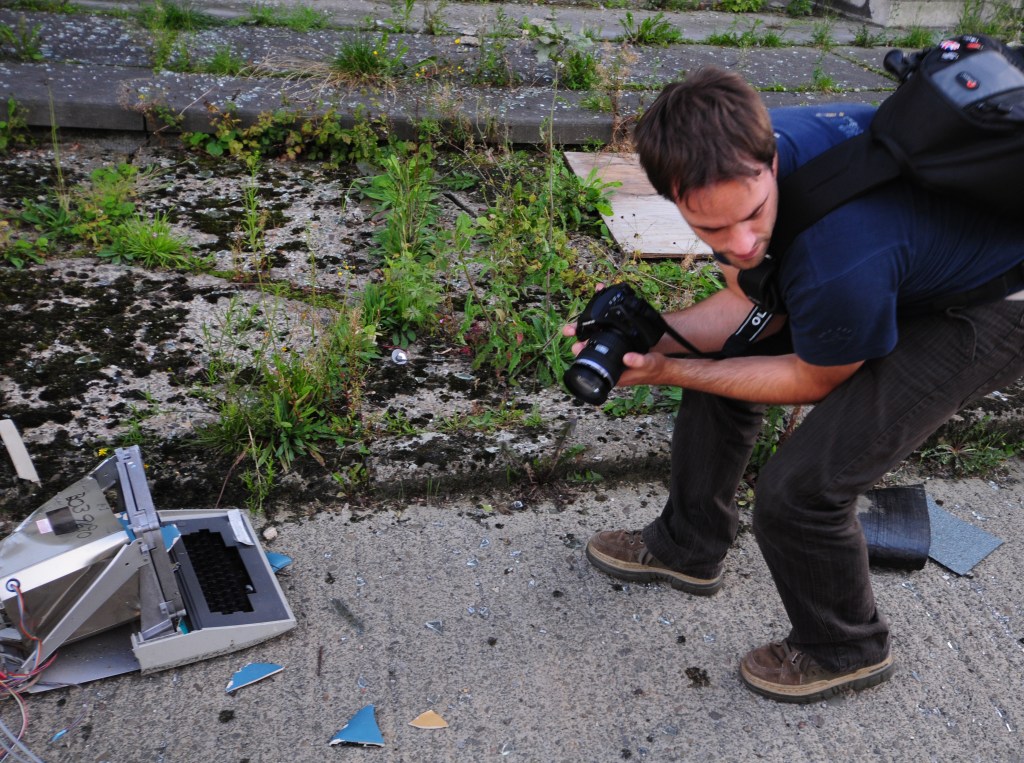
- Composition: Experiment with different angles, perspectives, and framing to create visually compelling shots. You can focus on the trash itself or use it as an element within the larger urbex scene.
- Lighting: Utilize available light creatively to enhance the mood and atmosphere of your photograph. Depending on the environment, you might encounter dim or harsh lighting conditions. Experiment with shadows, natural light sources, or artificial lighting to create dramatic effects.
- Close-ups and Details: Zoom in on specific items or details within the trash to capture textures, colors, or patterns. Macro photography can reveal intriguing aspects of decay and deterioration that might be overlooked otherwise.
- Contrast: Seek out contrasting elements such as vibrant colors against drab surroundings, or juxtapose the trash against architectural features or natural elements in the urbex location.
- Depth and Layers: Incorporate depth into your images by capturing multiple layers within the scene. This can create a sense of depth and dimension, making the photograph more engaging. You can use the trash as a foreground element and include other urbex elements in the background.
By reimagining discarded materials as valuable and beautiful, I believe Urbexers encourage their public to see the world in new ways and to consider the potential of the things we might otherwise disregard.
The sad truth is that trash is a reflection of our culture. IMHO, we’ve become a throwaway society, where convenience and instant gratification trump environmental responsibility. Materially and emotionaly, if I may say so.
It’s not just trash, it’s a reflection of who we are, as a fucking decrepit society.


 The Urbex Sentinel
Leave a comment