
I very seldom use strobe lights (flash). In Urbex, or in any other photo situation. I hate strobes. With a passion. Maybe I just don’t know how to use them. Probably.
So, with that in mind, here is Blasting Away the Darkness: the Urbex guide to strobe light photography.
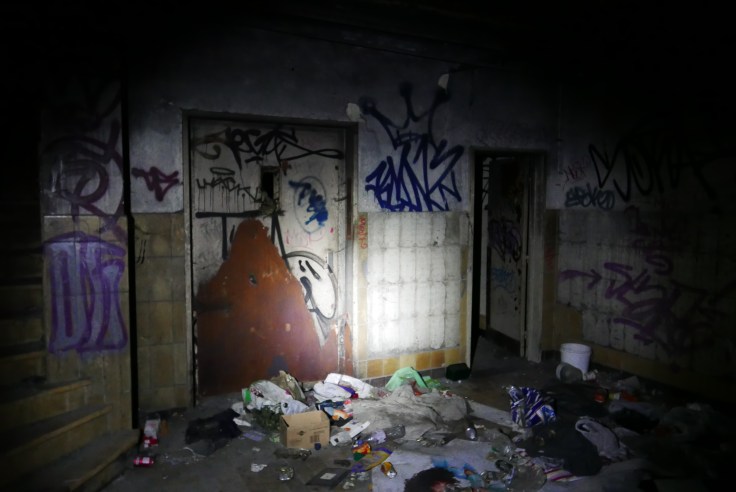
A little Nota bene before I begin: I despise strobes and flash photos. With that in mind, here we go:
Are you tired of capturing boring, well-lit photos that lack any sense of excitement or drama?
Look no further than the mighty strobe light!
This powerhouse of illumination is here to rescue your mundane shots and transform them into dazzling works of art. Say goodbye to natural light and hello to the realm of high-intensity, retina-searing brightness that will make your subjects squint -not necessarly-with delight!
Gone are the days of subtle lighting and gentle shadows. You’re shooting Urbex now. lol
With a strobe light in hand, you’re going to kiss subtlety goodbye and embrace the over-the-top, “in your face” style of Urbexing.
Want to capture your subject so it looks like you’re staring at the sun? Strobe light is your go-to tool! Not to mention models….Say goodbye to soft, flattering light that gently caresses your subject’s face, and say hello to the harsh, unapologetic beams of light that will leave them seeing stars.
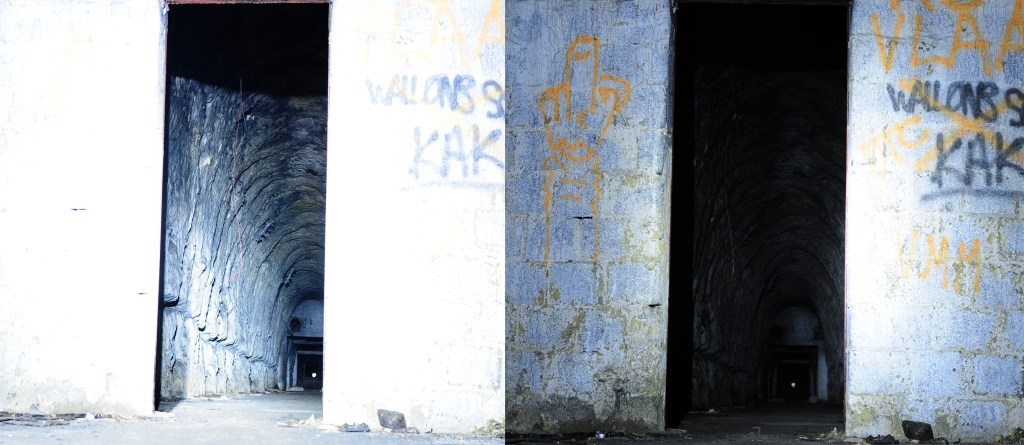
The strobe light add a touch of drama to your photos, but it also adds a thrilling element of surprise! Watch as your unsuspecting subjects jump in shock when the strobe light goes off, leaving them blinded and disoriented. Who needs boring, predictable photo shoots when you can have your subjects stumbling around like newborn foals, bumping into things and providing endless entertainment?

And let’s not forget the sheer joy of lugging around heavy batteries, wires, and strobe units, all while trying to maintain your balance and composure. Who needs a workout when you can carry around a mini power station on your back and engage in a high-stakes game of “avoid the tripping hazards” during your photo shoots? Urbexers knew that photography could double as an extreme sport. Now all photographers know too.
So… Why are strobe lights a must-have for Urbexers ? To blindly illuminate the Unknown !!!(pun intended)
As an urbex enthusiast, forget about capturing the eerie, natural ambience of abandoned buildings with ambient light. Why settle for moody shadows and subtle highlights when you can blast those dark, mysterious spaces with strobe lights?
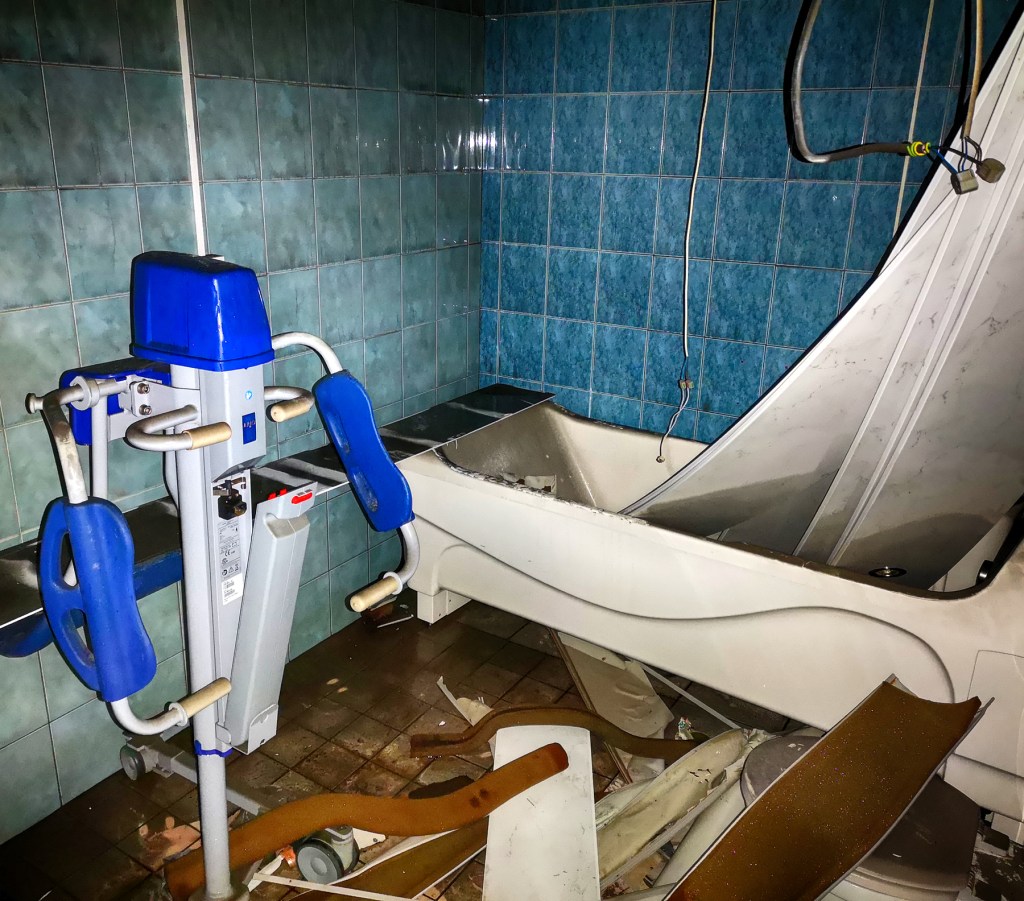
Who needs to preserve the authentic, decaying beauty of forgotten places when you can blind yourself and anyone else within a 10-mile radius with blinding flashes of light? Strobe lights are a must-have for urbex photography, but only if you want to ruin the atmosphere and give your fellow explorers a migraine-inducing experience they won’t soon forget.On the other hand, it just might scare off ghosts.
So, the next time you’re feeling uninspired by your well-lit, perfectly exposed photos, grab a strobe light and let the hilariously blinding madness begin! Embrace the chaos, blind your subjects, and blast away the darkness with the sheer brilliance of strobe light photography!
So, as you just read, I really dispise stobes and flashes…
But IF YOU MUST: here are 5 technical tips to help you improve your flash photography skills and achieve stunning (well, better…) results:

- Understand Flash Exposure Compensation: Most cameras have flash exposure compensation feature that allows you to adjust the output of your flash. This can help you avoid overexposed or underexposed images and achieve a natural-looking flash-lit scene. It will probably not work, but you can try it anyway…
- Flash Diffusers or Bounce Techniques: Direct flash often creates harsh, unflattering lighting so consider using flash diffusers or bouncing the flash off ceilings (or walls) to create softer, more diffused light.
- Sync Flash with Shutter Speed: Pay attention to your camera’s flash sync speed (the maximum shutter speed that allows the flash to properly expose the image). Shooting above this sync speed will result in a partially blacked-out image.
- Flash Modes: Many flashes have different modes, such as TTL (Through-The-Lens) or Manual mode. TTL mode uses the camera’s metering system to automatically adjust flash output. Manual mode allows you to have full control over the flash power.
- Off-Camera Flash: Moving the flash off-camera can give you more control over the direction and quality of light. Consider using wireless triggers or a flash bracket to position the flash off-camera. This can add depth, dimension, and creativity to your images.
And don’t forget your sunglasses!

 The Urbex Sentinel
Leave a comment