I am affraid I came across as a bit criptic in the previous articles so, today, let us step into the fascinating world of tone mapping Vs. HDR photography, where subtlety and naturalness are thrown out the window in favor of vibrant, eye-popping images that scream, “Reality, who?”
We’ll dwell into the difference between the two techniques and how they can transform Urbex photos into unreal masterpieces that make the real world look disappointingly dull. LOL
Urbexers often encounter both terms -playing a significant role in capturing and enhancing high-quality images: HDR (High Dynamic Range) and tone mapping, but they are not the same. While both techniques aim to expand the dynamic range of an image, they differ in their approach and application. In this article, we will delve into the differences between HDR and tone mapping in photography, exploring their unique characteristics, applications, and the advantages they offer to photographers.
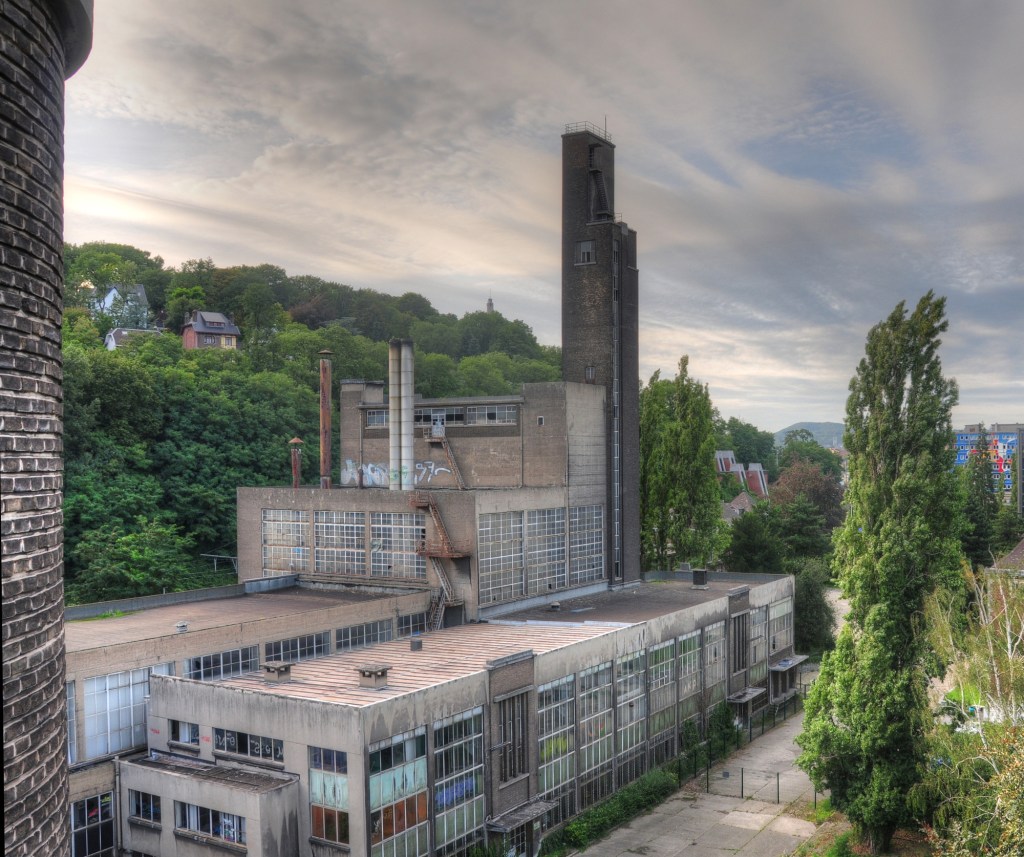
Just for kicks: here is an original image. Taken with a Nikon D300s. Aperture was f8 and exposure time was 1/125 sec. I used a 35mm Nikor lens and used my in camera spot exposure meter. We’ll come back to it later.

HDR photography refers to the technique of capturing multiple exposures of a scene at different brightness levels and combining them to create an image with a greater dynamic range than what a single exposure can capture. The primary objective of HDR is to accurately reproduce a wide range of tonal values, from the deepest shadows to the brightest highlights. This technique is particularly useful in high-contrast scenes, where the camera’s sensor alone cannot capture the full extent of detail.
Tone mapping is an essential step in the HDR workflow, employed to adjust the dynamic range of an HDR image to make it suitable for display on standard devices with a limited dynamic range, such as computer monitors or prints. The primary purpose of tone mapping is to preserve the details and tonal relationships within the image while compressing the overall dynamic range. It allows photographers to create visually appealing images that retain a realistic appearance.
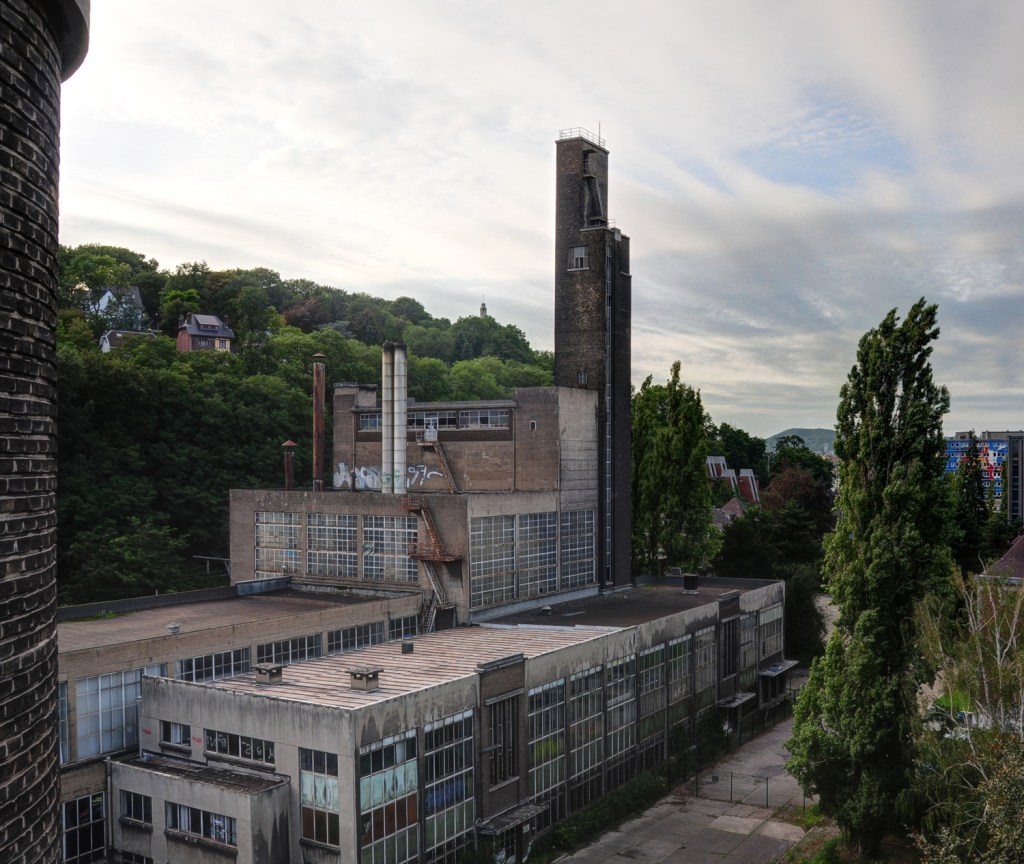
So here is the above image, made up of 5 shots composits, taken of the above, at 1/125, 1/250, 1/500, 1/60 and 1/30…still using f8 as an aperture. I’ve merged them through Photoshop.
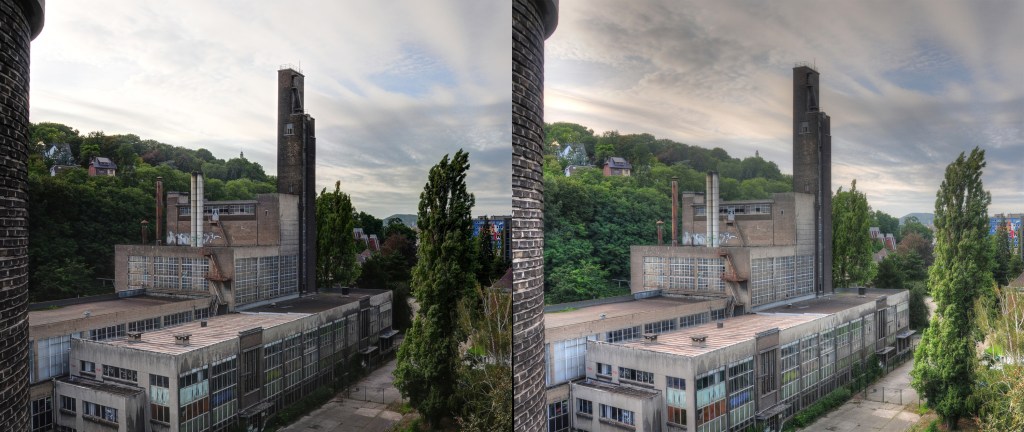
It’s intersting to see all the details poping out of the darkness of the original image. More on on this down the page.
The main differences between HDR and tone mapping ?
- Technique: HDR involves capturing and combining multiple exposures, while tone mapping is a post-processing step applied to an HDR image.
- Goal: HDR aims to expand the dynamic range of the image, capturing a wider range of tonal values. Tone mapping, on the other hand, compresses the dynamic range of an HDR image for display purposes.
- Application: HDR is widely used in situations where there is a significant contrast between the brightest and darkest areas, such as landscape photography or architectural interiors. Tone mapping is typically employed to create visually appealing images that maintain a balanced tonal range and preserve details.
So, while HDR enables Urbexers to capture a scene with a wider dynamic range, resulting in more detailed images, Tone mapping allows photographers to render HDR images on standard displays while preserving the visual quality and details.
In the world of photography then, HDR and tone mapping are two different (yet linked) techniques that offer Urbexers the means to capture and display images with enhanced dynamic range and detail.

 The Urbex Sentinel
Leave a comment